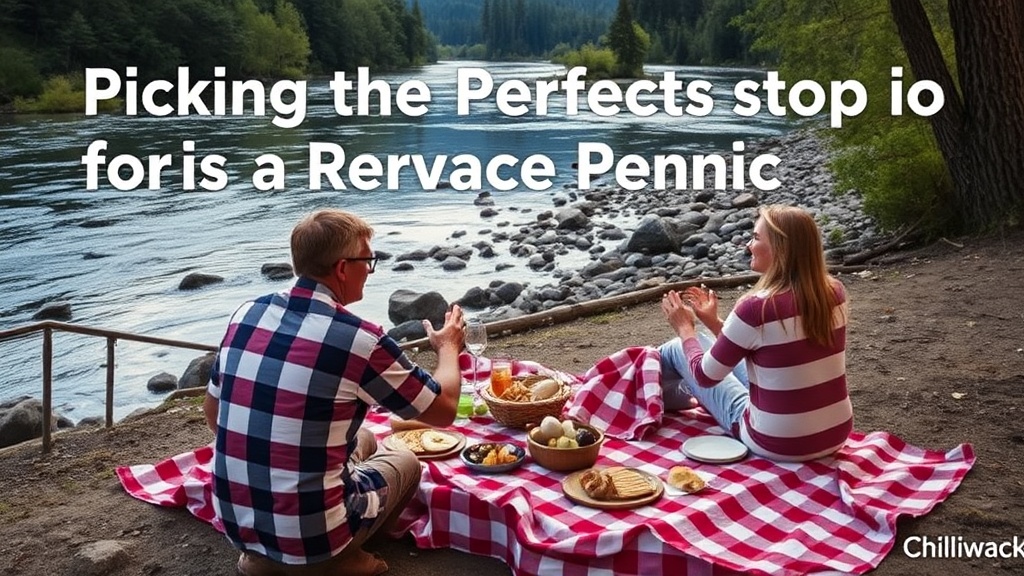
Picking the Perfect Spot for a Riverside Picnic in Chilliwack

Are you trying to figure out exactly where to set up your blanket without getting soaked by a sudden Fraser Valley downpour or getting stuck in a crowd of tourists? Finding a great spot for a riverside picnic in Chilliwack requires a bit of local knowledge about water levels, accessibility, and shade. This guide breaks down the best locations near the river, what gear you actually need for our specific climate, and how to avoid the common mistakes that ruin a good outdoor lunch.
Where are the best riverside picnic spots in Chilliwack?
The best riverside picnic spots in Chilliwack range from the developed parks along the Vedder River to the more rugged, natural areas near the Fraser River. If you want amenities like paved paths and bathrooms, stick to the municipal parks. If you want total isolation, you'll need to head toward the more remote trailheads.
For a classic experience, Cultus Lake and the areas surrounding it offer plenty of water views, though they can get busy on long weekends. If you want to stay closer to town, the areas near the Vedder River provide a much more "local" feel. You'll find plenty of shade from the large cottonwood trees that line the banks—though you should always check for low-hanging branches before setting down your chair.
Many locals prefer the spots near Chilliwack River Provincial Park. It offers a more rugged vibe that feels much more disconnected from the suburban sprawl. It’s a great place to sit and watch the water flow, especially if you aren't afraid of a little mud if the weather has been damp.
I've found that the best way to choose a spot is to decide on your "comfort level" first. Do you want a picnic table with a trash can nearby, or are you okay with carrying everything in and out yourself? Most people think they want the "wild" experience, but they end up regretting it when they realize they have to carry a heavy cooler back to the car through a muddy trail.
Picnic Spot Comparison
| Location Type | Amenities | Best For | Crowd Level |
|---|---|---|---|
| Municipal Parks | Bathrooms, Tables, Paved paths | Families & Toddlers | High |
| River Trailheads | Minimal (Trash bins only) | Hikers & Photographers | Low |
| Provincial Parks | Basic Facilities, Nature trails | Nature Lovers | Medium |
How much does it cost to have a picnic in Chilliwack?
Most public riverside areas in Chilliwack are free to access, though some provincial parks or specific campgrounds may require a day-use pass or a small fee. For most standard park picnics, you won't pay a cent for the "seat" itself.
However, don't forget to budget for parking. While many city parks have free parking, some areas near busier trailheads might have limited spaces or require a permit if you're hosting a large group. If you're planning something big, I'd suggest checking the official City of Chilliwack website to see if there are any temporary closures or special event fees for the area you're eyeing.
The real cost is usually in the prep. A high-quality cooler, some heavy-duty outdoor chairs, and decent food will run you more than the park access ever would. If you're looking to grab some local snacks before you head out, you might want to check out the best cafe corners in town to pick up some fresh pastries or sandwiches to bring along.
What gear should I bring for a riverside picnic?
You should bring weather-resistant gear that can handle the unpredictable Fraser Valley weather. Even if the sun is out when you leave your house, the temperature near the water can drop significantly in the late afternoon.
Here is a checklist of things I never leave home without:
- A Waterproof Blanket: Don't rely on a standard cotton blanket. The ground near the river is almost always damp. A heavy-duty nylon or a dedicated outdoor blanket is a lifesaver.
- Insulated Cooler: Use something reliable like a YETI Tundra or a high-end Coleman. You want your drinks to stay cold, but you also want to keep your perishables safe from the heat.
- Portable Seating: If you aren't sitting on a blanket, bring lightweight camping chairs.
- Bug Spray: This is non-negotiable. The mosquitoes near the river can be brutal once the sun starts to dip.
- Wet Wipes: Sticky fingers from fruit or messy sandwiches are inevitable.
One thing people often forget is a portable power bank. If you're using your phone for music or to take photos of the scenery, you don't want to be stuck at 5% battery when you're miles from your car. It's a small thing, but it makes a huge difference in how much you actually enjoy the time away from your screen.
I also highly recommend bringing a lightweight windbreaker. Even if it's 22°C, the breeze off the water can feel much colder than the air on land. I've seen plenty of people shivering through their lunch because they only dressed for the temperature in the car.
How can I avoid bugs and mosquitoes at the river?
The best way to avoid bugs is to arrive in the late morning or stay away from stagnant water during peak mosquito hours at dusk. If you are planning a long afternoon, bring a portable fan or use high-quality repellent.
If you're worried about the bugs, try to find a spot with a bit of a breeze. Mosquitoes aren't great flyers; a little bit of moving air can actually act as a natural deterrent. Also, avoid wearing dark colors if you can—bright colors or even white can sometimes be less attractive to certain insects.
It's worth noting that the river itself is a living ecosystem. You'll see plenty of wildlife, which is part of the charm, but you want to keep a respectful distance. If you're following any hiking routes to get to your spot, keep an eye on the Parks Canada guidelines for local wildlife safety, especially if you're in an area where bears are known to frequent.
If you want to get a feel for the local outdoor culture before you head out, you might enjoy reading about what locals actually do on the weekend. It'll give you a better idea of the vibe you should expect when you hit the trails.
Don't forget the most important rule of the river: Leave No Trace. This isn't just a suggestion. If you bring it in, you must carry it out. This includes small things like fruit cores or tiny scraps of paper. The river ecosystem is fragile, and we want these spots to stay beautiful for next season.
Pack a dedicated trash bag for your scraps. Even if there is a bin nearby, sometimes they are full or the wind can blow your trash out of an open bin. Being proactive about your waste is the best way to be a good guest in our local parks.
Steps
- 1
Scout the perfect riverside location
- 2
Pack easy-to-eat finger foods
- 3
Bring essential outdoor gear
- 4
Leave no trace and enjoy the view